Old Screens, New Crowds: Why Atlanta's Vintage Theaters Are Having Their Biggest Moment in Decades
There's something happening on the older end of Atlanta's cinema scene, and it doesn't involve a loyalty app or a recliner with a USB port. Across the city, vintage single-screen theaters and lovingly restored classic venues are filling seats — sometimes to capacity — by leaning hard into the one thing a brand-new multiplex can never manufacture: genuine history.
Call it the nostalgia economy. Call it a vibe. Whatever you want to name it, the trend is real, and Atlanta's retro cinema crowd is growing fast.
The Charm Offensive of the Single-Screen Experience
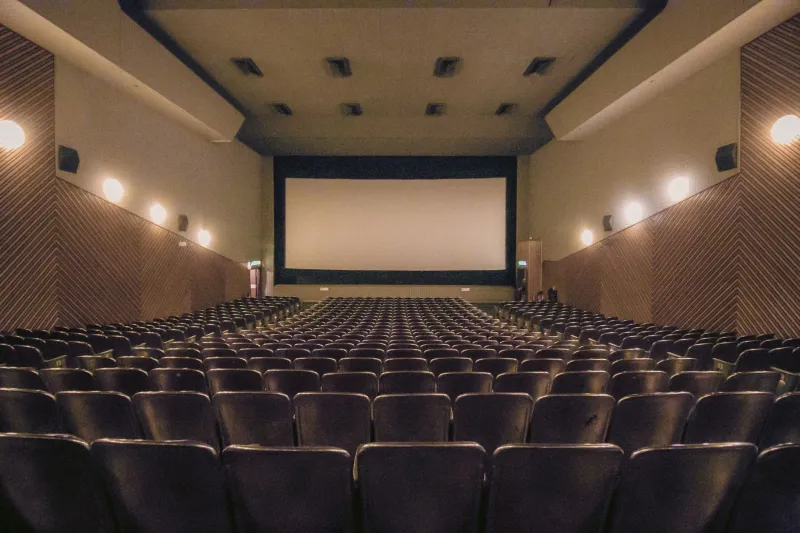
Walk into one of Atlanta's older theaters on a Friday night and the difference is immediate. The ceilings are higher. The lobby smells faintly of decades of popcorn and possibility. The screen — one, just one — commands the entire room rather than competing with seventeen others down a fluorescent hallway.
For a generation raised on streaming, that singular focus feels almost radical.
"People come in and they immediately slow down," says one theater manager who oversees a restored 1940s-era cinema in the metro area. "They look up at the ceiling, they touch the walls. You can tell they're processing that this place has been doing this for a really long time. That means something to people right now."
It means something especially to younger Atlantans — millennials and Gen Z moviegoers who grew up with infinite content available at their fingertips and are now, somewhat paradoxically, craving the constraints of a scheduled showtime in a room full of strangers.
Midnight Marathons and the Art of Curated Programming
The real secret weapon for Atlanta's retro theaters isn't just the architecture — it's what they're putting on the screen. While multiplexes optimize for opening-weekend blockbusters, vintage venues are building loyal followings through programming that feels more like a cultural event than a consumer transaction.
Midnight horror marathons have become a particular draw. Imagine settling into a 70-year-old theater at 11:45 p.m. to watch a pristine 35mm print of a classic slasher film while the crowd around you loses its collective mind. That experience exists in Atlanta, and it sells out.
Classic film retrospectives — think deep dives into the work of a single director, or themed series built around a specific decade or genre — are pulling in cinephiles who want context alongside their entertainment. One local theater recently ran a six-week series spotlighting films from Atlanta's own cinematic history, drawing not just movie fans but local historians and neighborhood associations.
"We think of ourselves as programmers, not just exhibitors," explains one organizer behind a recurring Atlanta repertory series. "Anyone can show a movie. We're trying to create a reason for people to get off their couch and come be part of something."
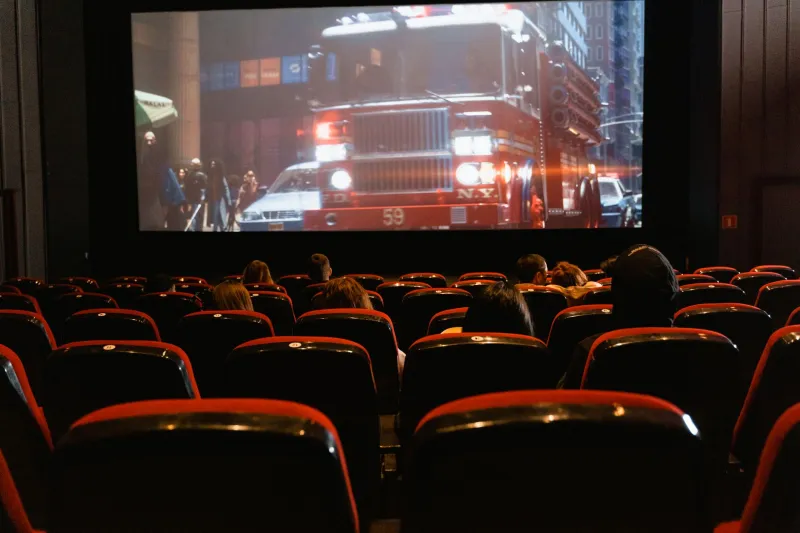
That community dimension is crucial. Events with pre-show discussions, post-film Q&As with local filmmakers, and themed costume nights transform a passive screening into a shared social ritual — something no streaming service has figured out how to replicate.
Instagram Didn't Hurt, Either
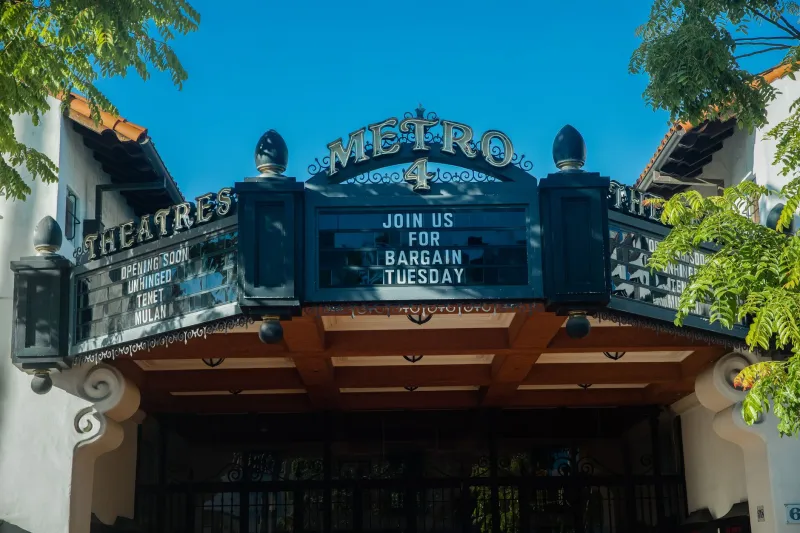
Let's be honest about something: these theaters are genuinely beautiful, and beautiful things get photographed. The ornate plasterwork, the vintage marquees spelling out titles in chunky letters, the single-color neon glow spilling onto a rainy Atlanta sidewalk — all of it is extremely photogenic in a way that a cookie-cutter cineplex simply isn't.
That visual identity has become a legitimate marketing asset. When a patron posts a photo of a classic theater's marquee to their Instagram story, they're doing promotional work the venue couldn't buy. And because the aesthetic feels authentic rather than manufactured, it lands differently than a brand campaign.
"We didn't set out to be an Instagram spot," laughs one theater staffer. "But we're not mad about it. Half the people who come in for the first time tell us they found us through someone else's photo. We'll take it."
The theaters that are thriving seem to understand that the physical experience and the social media moment aren't separate things — they're two parts of the same appeal.
Who's Actually Showing Up
The demographic picture is more interesting than you might expect. Yes, younger audiences are driving a lot of the growth, but the regulars at Atlanta's retro theaters tend to span a surprisingly wide age range. A midnight screening of a '80s horror classic might draw a 22-year-old attending her first ever in-theater experience alongside a 55-year-old who saw the film on its original release.
That cross-generational mix is part of what makes these venues feel different from most entertainment spaces, where age segmentation is basically the default.
"I bring my kids here," says Marcus, a Decatur resident who has been attending a local classic theater's Saturday matinee series for three years. "They're teenagers. They would normally rather die than do something with their dad. But they love this place. There's something about it that doesn't feel like it was designed for any particular group — it just feels like it's for people who like movies."
That universality is hard to achieve and easy to lose. The theaters that manage it tend to be the ones where programming decisions are made by people who genuinely care about cinema, rather than by an algorithm optimizing for concession sales.
Staying Alive in a Tough Business
None of this is to suggest that running a vintage theater in Atlanta is easy. The economics of cinema exhibition are brutal under the best circumstances, and maintaining an older building adds a layer of logistical and financial complexity that newer venues don't face.
Several of Atlanta's classic theaters have survived through a combination of creative revenue streams — private event rentals, membership programs, partnerships with local businesses and universities — alongside their regular programming. Some have leaned into their status as nonprofit or community-supported institutions, building a base of donors who see the theater as cultural infrastructure worth preserving.
The ones that are doing well have figured out that they're not really competing with the multiplex down the road. They're offering something categorically different, and they've stopped trying to win on the multiplex's terms.
What It Means for Atlanta's Cinema Scene
Atlanta has always had a complicated relationship with preservation — the city's history of demolition and redevelopment is well documented. That makes the survival and revival of its classic cinemas feel like something worth paying attention to.
These theaters aren't just showing movies. They're maintaining physical spaces where the city's relationship with storytelling and communal experience can be felt in the walls. In a metro area that's growing as fast as Atlanta is, that kind of rootedness has real value.
If you haven't been to one of Atlanta's vintage theaters lately — or ever — now is genuinely a great time to go. Check what's playing, pick a night that sounds interesting, and leave your streaming queue alone for a few hours. The screen will be big, the room will be full of strangers, and there's a decent chance you'll stay for the whole thing without once checking your phone.
That's rarer than it sounds. And in Atlanta right now, it's absolutely worth seeking out.