What the Old Marquees Left Behind: Tracking Atlanta's Shuttered Movie Houses
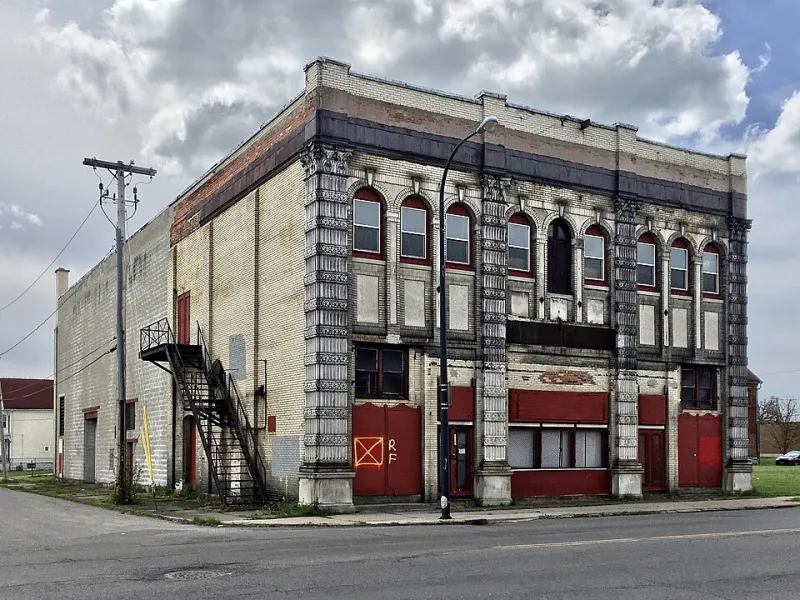
Photo: Andre Carrotflower, CC BY-SA 4.0, via Wikimedia Commons
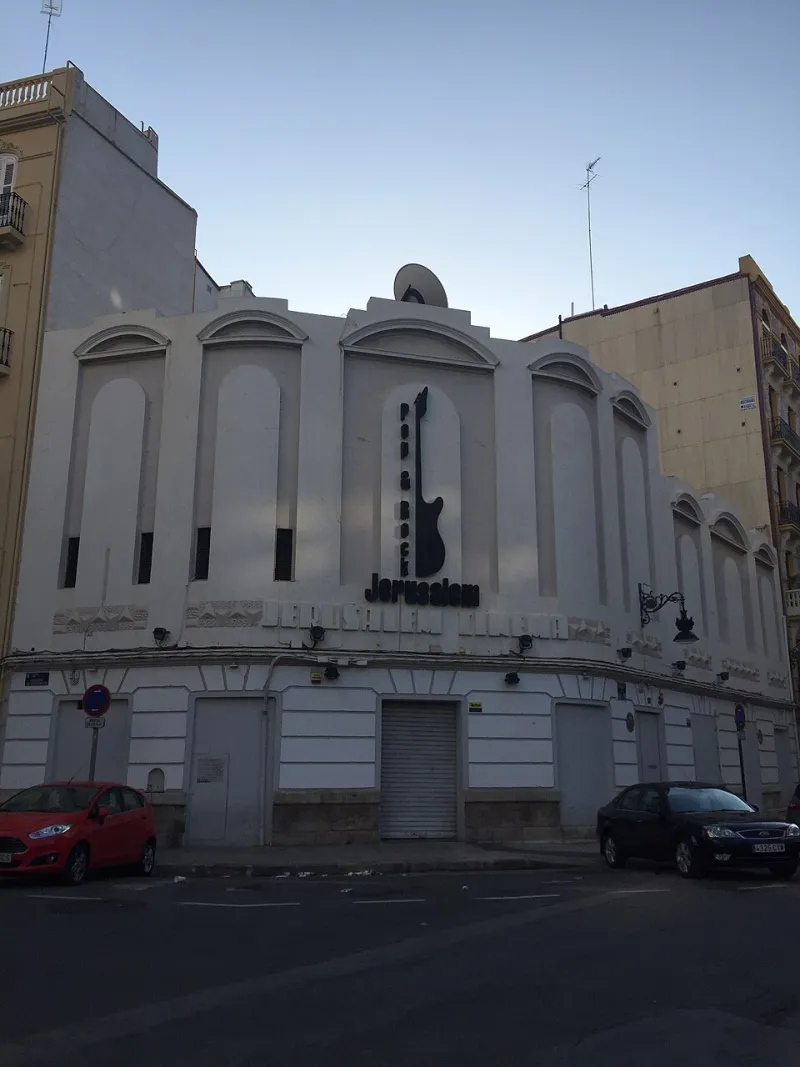
Drive long enough through Atlanta's older neighborhoods and you'll spot them without knowing what you're looking at: a building with an odd, deep storefront set back from the street, a ghost of a sign above the awning, a roofline that seems too tall for the shops beside it.
That's a former movie theater. And the city is full of them.
Reading the Facades
The telltale signs vary by era. The grand houses of the 1920s and '30s — the ones with ornate masonry and names like the Plaza, the Capri, the Roxy — announced themselves in stone. Midcentury neighborhood theaters went for streamlined moderne curves and big glass. By the 1970s and '80s, theaters had migrated to shopping centers, and when those died, they died quietly, leaving behind wide, windowless boxes that became party supply stores almost overnight.
What's remarkable is how many of these buildings still carry their history on their faces. A restaurant in the Old Fourth Ward kept its ticket booth — it's now a hostess stand. A gym in the southwest metro plays in a former cinema where the raised seating platform is now the free-weight area, a quirk every trainer there can explain in two seconds flat. A congregation on the east side worships beneath the sloped ceiling of a single-screen house, the projection booth converted into a sound room.
Each facade tells you what the neighborhood used to be. The walk-up theaters anchored commercial strips built around streetcar lines and pedestrian life. Their survival — even in altered form — often marks the older, denser bones of a block that weathered decades of change around them.
The Preservationist's Dilemma
We spoke with local preservation advocates who spend their time cataloging these buildings, and their picture is complicated. On one hand, adaptive reuse is a victory: a theater that becomes a restaurant or grocery store is a theater that didn't become a parking lot. On the other hand, every conversion tends to strip away a little more — the marquee comes down, the lobby gets gutted, the distinctive brick gets stuccoed.
"The building doesn't have to show movies to matter," one advocate told us. "But the details are the memory. Once the marquee's gone and the lobby's drywall, you've lost the story, even if the walls are still standing."
Their wish list is practical: document what exists now, before the next renovation. Push for local historic designations where owners are willing. And when a conversion happens, encourage architects to keep the lobby volume and the sign bands — the features that make a former theater recognizable as one.
A Walking Tour in Your Head
You can do this tour yourself on a Saturday afternoon. Start in neighborhoods that grew up around streetcar commercial nodes — the intown corridors and the close-in southside and westside streets. Look for deep storefronts, tall facades, and faded sign lines. Check the rooflines; theaters were built to be seen from a block away, and even stripped-down survivors tend to loom a little.
Better yet, ask the business owner. Almost every one of these buildings has someone behind the counter who knows exactly what it used to be and lights up telling you about it. The projection booth that's now a walk-in cooler. The balcony that came down in the '80s. The premiere that brought crowds to the street.
Why It's Worth the Effort
Atlanta has always rebuilt itself quickly, sometimes carelessly. The city's relationship with its own history runs hot and cold. That's exactly why the surviving theater buildings matter — they're one of the few common structures almost everyone remembers the same way. Nobody has a childhood memory of a former auto parts store. Everybody has a movie memory.
The houses that still show films get the attention, and they should. But the ones that became something else deserve a look too — because as long as the facade is standing, the story's still playing.