Shot in Atlanta, Seen in Atlanta: The Local Directors Putting Homegrown Cinema on the Map
For years, Atlanta's relationship with the film industry felt a little one-sided. Hollywood showed up, shot its superhero sequences and prestige dramas against our skyline, and then packed up and headed back west. The city got the tax credits and some background work, but the creative credit usually went somewhere else.
That dynamic is shifting — and it's shifting fast.
A growing wave of Atlanta-based directors is moving from the margins to the main stage, making films that are earning festival buzz, landing theatrical runs, and screening right here in the city where they were made. It's the kind of creative pipeline that takes years to build, and Atlanta is finally seeing the payoff.
The Infrastructure That Made It Possible
You can't separate Atlanta's emerging director class from the infrastructure that surrounds them. The city's generous film tax incentives — which have made Georgia one of the top production states in the country — created a support ecosystem that local filmmakers have been quietly tapping into for over a decade.
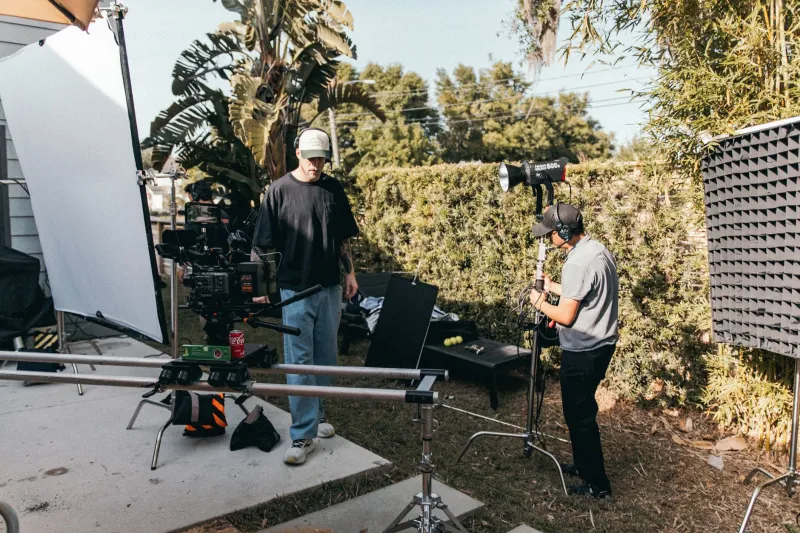
Crew bases expanded. Post-production houses opened. Film schools at Georgia State, Savannah College of Art and Design's Atlanta campus, and other programs started turning out graduates who actually stayed in the city instead of immediately relocating to Los Angeles or New York. The talent pool deepened, and so did the opportunities for directors who wanted to make Georgia-based stories without apologizing for it.
"There's a real crew culture here now," says one Atlanta-based indie director who recently completed her second feature. "Five years ago, you had to fight to convince people to stay local for a project. Now, there's enough work and enough community that people are building careers here."
Festival Recognition, Then the Hometown Screening
One of the most exciting patterns emerging in Atlanta's film scene is the festival-to-local-theater pipeline. Directors are premiering work at festivals like Atlanta Film Festival, Sundance, SXSW, and Tribeca — and then bringing those films back home for theatrical runs that feel genuinely celebratory.
The Plaza Theatre and the Tara Cinema have both hosted screenings that doubled as homecoming events, with Q&As packed with audiences who feel a personal connection to the work. There's something different about watching a film set in your own city, with a director standing at the front of the room who grew up a few miles away.
The Atlanta Film Festival, which typically runs each spring, has made a deliberate effort to spotlight Georgia-made work. Their Georgia Spotlight programming has become a launching pad for local directors, offering not just an audience but industry attention that can lead to distribution deals and wider releases.
The Stories They're Telling
What's striking about Atlanta's emerging director class is how specifically Atlanta their work is. These aren't films that could be set anywhere — they're rooted in the city's neighborhoods, its contradictions, its sounds and textures.
Stories set in Southwest Atlanta, in the suburbs of Gwinnett County, in the hip-hop corridors of Buckhead and College Park, in the historically Black neighborhoods navigating gentrification — these are the films Atlanta directors are making. And Atlanta audiences are responding with the kind of enthusiasm that's hard to manufacture.
"People are hungry to see themselves on screen," notes one filmmaker whose debut feature explored a multigenerational Black family navigating displacement in the Old Fourth Ward. "Not a version of Atlanta that's been filtered through someone else's imagination, but the actual city."
That specificity is also what's drawing outside attention. Festival programmers and distributors have noted that Atlanta-set films carry a cultural distinctiveness that's marketable precisely because it's so particular. The city's identity — its Southern roots, its hip-hop legacy, its rapid growth, its racial complexity — gives filmmakers a rich palette that translates beyond regional audiences.
Where to Catch Local Work Right Now
If you want to support Atlanta's homegrown director scene, you don't have to wait for a festival. Several local venues are actively programming Georgia-made work throughout the year.
The Plaza Theatre on Ponce de Leon remains one of the most reliable spots for indie and locally made films, often scheduling filmmakers for in-person appearances. The Tara Cinema in Buckhead mixes mainstream programming with art-house selections that frequently include regional work. And Morehouse College's film program occasionally opens screenings to the public, offering an early look at emerging voices from one of Atlanta's most storied institutions.
Keep an eye on the Atlanta Film Festival's year-round programming as well — they've expanded beyond their spring flagship event to offer screenings and events throughout the year. Their website is one of the better resources for tracking when locally made films are getting their Atlanta moments.
For those willing to venture a little further, the Decatur Film Festival has long championed independent and Georgia-made work, with a community vibe that makes it feel less like an industry event and more like a neighborhood celebration of cinema.
The Next Wave Is Already Working
Talk to anyone embedded in Atlanta's film community and they'll tell you the same thing: the directors getting attention right now are just the beginning. There's a younger cohort — recent graduates, short film makers building toward features, documentarians covering Atlanta stories — who are a few years away from their own festival moments.
The city's production boom has given this next wave something previous generations didn't have: real on-set experience close to home. Working as a PA on a studio production at Trilith Studios or a streamer shoot in Midtown isn't glamorous, but it's education. And more and more of those young crew members are using what they learn to fund and produce their own projects on the side.
"Atlanta is one of the few places right now where you can actually learn the craft while you're building your own thing," says one director who worked her way up through local productions before making her first short, which screened at three festivals last year. "That combination is rare."
Why This Matters for Atlanta Moviegoers
All of this is good news if you love going to the movies in Atlanta. A thriving local director scene means more films with local premieres, more Q&As with filmmakers who actually live here, and more chances to be part of a cinema culture that feels alive and connected to the city you live in.
It also means the theaters that program this work — the independents, the festival venues, the art-house screens — have a reason to stay relevant and keep their doors open. Homegrown cinema creates homegrown audiences, and that's a loop worth encouraging.
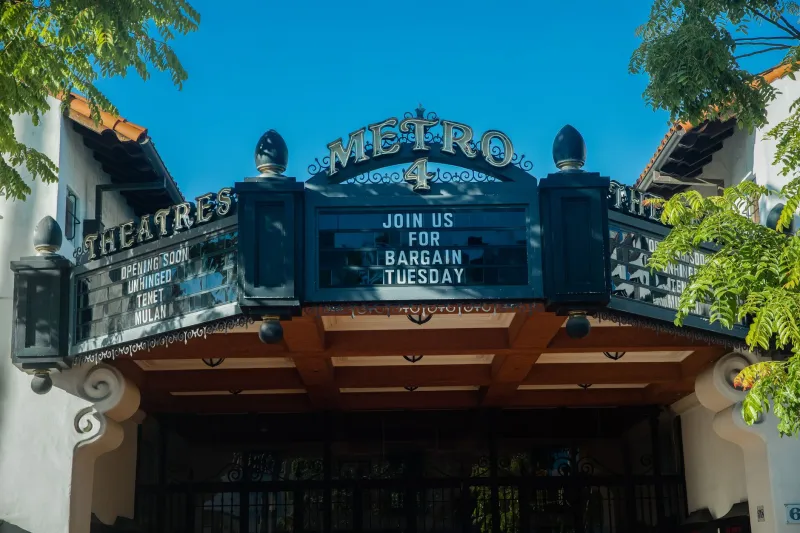
So next time you see a locally made film on the marquee, buy the ticket. Stay for the Q&A. Tell the director their movie meant something. Atlanta's film scene is building something real, and the best way to be part of it is to show up.