Beyond the Multiplex: Atlanta's Independent Theaters Are Keeping Cinema Weird (and Wonderful)
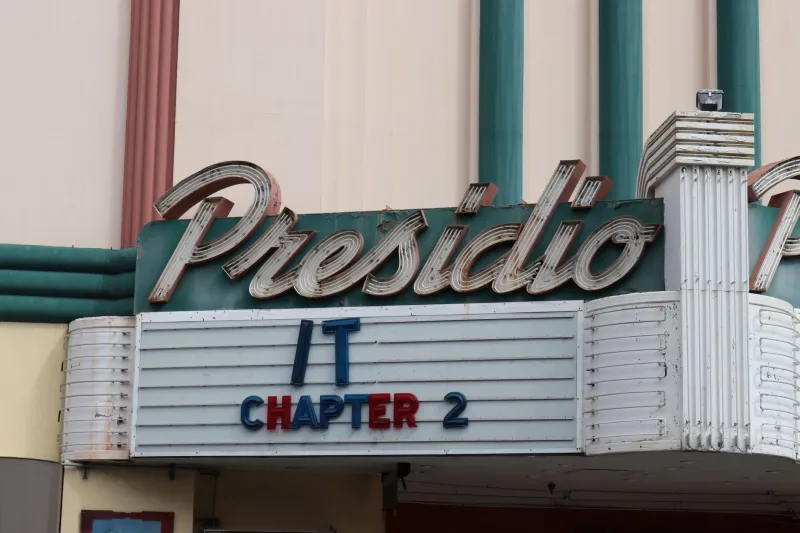
Let's be honest — there's nothing inherently wrong with catching the latest Marvel blockbuster at a big chain theater. The recliner seats are comfy, the popcorn is fresh, and the sound system could rattle your fillings loose. But if you've ever wanted to watch a 35mm print of a 1970s Italian horror film surrounded by people who actually care about Italian horror films, the corporate multiplex is absolutely not the place for you.
Fortunately, Atlanta has you covered.
The city's independent cinema scene is one of the most underappreciated cultural assets in the Southeast. Whether you're a seasoned cinephile who can name-drop Agnès Varda in casual conversation or just someone tired of watching the same twelve movies that are playing at every theater within a 30-mile radius, Atlanta's indie theaters offer something genuinely different. Here's where to start.
The Plaza Theatre: Atlanta's Oldest Living Movie House
If Atlanta's independent cinema scene had a patron saint, it would be the Plaza Theatre on Ponce de Leon Avenue. Opened in 1939, the Plaza is the oldest continuously operating movie theater in the entire city — a fact that becomes more remarkable every year it manages to survive in an era when indie theaters across the country are shuttering at an alarming rate.
The Plaza isn't just old, though. It's alive. The programming here leans heavily into the kind of stuff that makes film nerds lose their minds: midnight screenings of cult classics like The Rocky Horror Picture Show (a long-running tradition at this point), limited-run arthouse releases, and special events that often include filmmaker Q&As or themed nights that turn a simple movie screening into a full-blown experience.
The building itself is worth the trip. There's a certain magic to watching a film in a space with that much history embedded in its walls. The lobby feels like a time capsule, and the single-screen setup forces you to commit to the experience in a way that a 24-screen megaplex never could. Pro tip: check their website and social media regularly because special screenings often sell out faster than you'd expect.
Discovering the Rio Theatre and Atlanta's Neighborhood Screening Culture
Atlanta's independent cinema isn't limited to a single iconic venue. The city has quietly developed a network of smaller, neighborhood-based screening spaces that serve as genuine community hubs. The Rio Theatre, for instance, has built a loyal following by programming with personality — you're just as likely to find a locally made short film program as you are a newly restored classic.
What makes these smaller venues special isn't just what's on the screen. It's the context. When you watch a film at a neighborhood theater, you're often surrounded by people who live nearby, who chose this specific film for specific reasons, and who are genuinely invested in the experience. The post-screening conversations in the parking lot or at a nearby bar can be just as rewarding as the movie itself. That communal energy is almost impossible to manufacture at a chain theater where the staff is cycling through seventeen different screens simultaneously.
The Programming Difference: Why Indie Theaters Show Films You've Actually Never Heard Of
Here's the thing about independent and arthouse cinemas — their value isn't just nostalgic or aesthetic. It's genuinely practical for anyone who wants a broader film diet.
Big chains program based on what's going to fill the most seats across the most locations. That math almost always favors sequels, reboots, and franchise entries over challenging or unconventional work. Independent theaters operate on a completely different logic. They program based on passion, community interest, and a genuine belief that their audience wants something more.
In Atlanta, that means you can catch a Taiwanese New Wave retrospective, a weekend run of a buzzy A24 release that didn't get wide distribution, a documentary about Atlanta's own music history, or a horror double feature curated by a local film critic. The variety is staggering once you start paying attention.
For Atlanta residents specifically, independent theaters have also been crucial platforms for locally produced films. Georgia's film industry is massive — the state regularly ranks as one of the top production hubs in the country — but a lot of that work is made here and then screened everywhere except here. Indie theaters help close that gap.
Insider Tips for Getting the Most Out of Atlanta's Indie Cinema Scene
Ready to dive in? A few things worth knowing before you go:
Follow the venues on social media obsessively. Special screenings, one-night-only events, and limited runs get announced with varying amounts of lead time. If you wait until the week of, you may find yourself locked out of the best stuff.
Buy memberships if you can. Most independent theaters offer membership or loyalty programs that pay for themselves quickly if you're a regular. They also help keep these venues financially viable, which matters a lot.
Show up early. Unlike chain theaters with their 20-minute pre-show ad reels, indie screenings sometimes start closer to the listed time. Plus, getting there early means better seats and more time to chat with the staff, who are almost always passionate film people with great recommendations.
Look for repertory programming. This is where indie theaters really shine. A repertory screening is when a theater brings back an older film — sometimes in a restored print, sometimes on 35mm — for a limited run. These screenings are often the only chance to see certain films in a theatrical setting, and the experience of watching a classic the way it was originally intended to be seen is genuinely transformative.
Check community boards and local film organizations. Atlanta has a surprisingly robust network of film clubs, festival organizations, and cinephile communities that host their own screenings. The Atlanta Film Society, for instance, is a great resource for staying plugged into what's happening beyond the traditional theater circuit.
Why It Matters That These Places Exist
It would be easy to frame the appeal of indie theaters as purely about taste or snobbery — a preference for the obscure over the mainstream. But that misses the bigger picture.
Independent theaters are cultural infrastructure. They're the spaces where filmmakers connect with audiences, where film history gets preserved and passed down, and where communities develop a shared visual language. When an indie theater closes, the city loses something that can't just be replaced by a streaming service or a bigger AMC.
Atlanta has been lucky. The city's indie cinema scene has shown real resilience, and the support from local audiences has been a huge part of that. But these theaters still need your business, your word-of-mouth, and your willingness to occasionally skip the guaranteed crowd-pleaser for something you've never heard of.
Trust us — that leap of faith is almost always worth it.