Unlikely Allies: Atlanta Theaters and Streaming Giants Are Building Something New Together
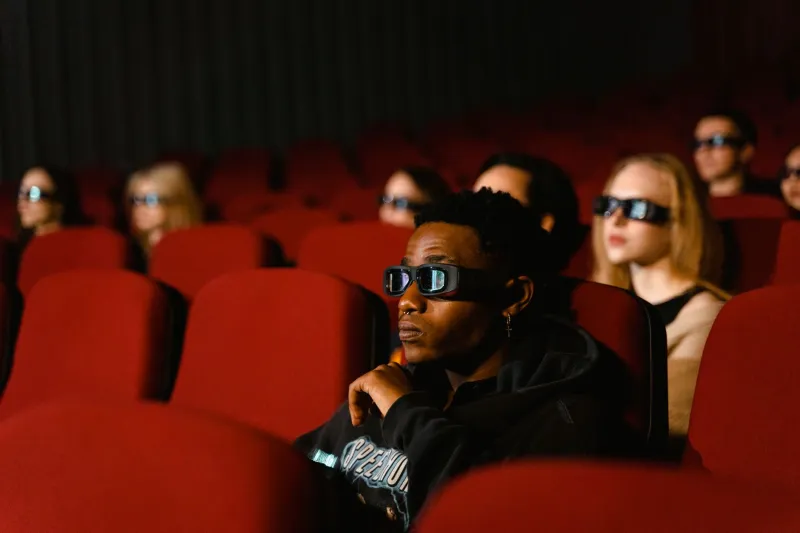
Not long ago, the conventional wisdom in the entertainment industry was pretty bleak for anyone who loved movie theaters: streaming was going to win, theaters were going to lose, and the whole thing would shake out like Blockbuster versus Netflix — slowly, then all at once. Atlanta's theater operators heard that story too. Some of them believed it for a while.
But something interesting happened on the way to the funeral. The streaming platforms — Netflix, Disney+, Amazon, Apple TV+ — started needing something that theaters actually had. Not just screens. Legitimacy. Cultural cachet. The particular kind of attention that comes when an audience chooses to show up somewhere, in person, and give a film two uninterrupted hours of their focus. And Atlanta's theaters, for their part, started realizing that fighting the streaming tide outright was a losing strategy. Partnerships, on the other hand, were something else entirely.
From Rivals to Reluctant Collaborators
The shift didn't happen overnight, and it didn't happen cleanly. There's still real tension between theatrical windows — the period of exclusivity that keeps a film in cinemas before it hits streaming — and the platform pressure to get content in front of subscribers as fast as possible. That tension isn't going away.
But alongside that friction, a different kind of relationship has been quietly building. Netflix's decision to pursue theatrical releases for awards-season contenders — running films in select markets before their streaming premieres — opened a door. When a Netflix film plays in a theater, it plays in Atlanta. And when it plays in Atlanta, local theater operators get a seat at a table they were previously locked out of entirely.
"A few years ago, the conversation was purely adversarial," said one Atlanta theater general manager who has worked in exhibition for over fifteen years. "Now I'm having conversations with distributors about limited runs, about event screenings, about how we can create something together that neither of us could do alone. That's new. That's genuinely new."
What These Partnerships Actually Look Like
The collaborations taking shape in Atlanta's theater market don't follow a single template. They're varied, experimental, and sometimes one-off — which is part of what makes them interesting.
Limited theatrical engagements are the most common form. A streaming platform releases a film in select theaters — sometimes just a handful of screens nationally — for two to four weeks before it moves to the platform. For Atlanta, this often means one or two screens at an independent or boutique venue like the Tara or a Landmark location. The films tend to skew prestige: documentaries, foreign-language contenders, auteur projects that benefit from the credibility of a theatrical run without needing the full blockbuster distribution apparatus.
Watch parties are a newer and more experimental format. A streaming platform coordinates with a local theater to screen a recently released title — sometimes on the same weekend it drops on the platform — as a communal event. Think of it as the theatrical experience applied to streaming content: same film, same night, but you're watching it with a hundred other people who chose to show up. Atlanta has seen a handful of these tied to genre releases and fan-driven properties, and the response has been strong enough that more are in the pipeline.
Then there are the co-branded promotional events — advance screenings, cast Q&As, themed nights tied to a streaming platform's release calendar — that use the theater as a marketing venue more than a revenue vehicle. These are less about ticket sales and more about building buzz, and they give theaters a way to create programming that doesn't depend entirely on the traditional studio release schedule.
The Atlanta Angle
Atlanta occupies a particular position in this ecosystem that makes the city more relevant to these conversations than its market size alone would suggest. Georgia's film production incentives have made metro Atlanta one of the most active production hubs in the country, which means the city has a higher-than-average concentration of industry professionals, creatives, and entertainment-adjacent audiences who follow the business closely.
Streaming platforms with productions shooting in Georgia have an obvious interest in maintaining goodwill with Atlanta's exhibition community. That's not purely altruistic — it's strategic. But the effect is the same: Atlanta theaters have more opportunities to participate in platform-adjacent events than you might expect from a non-coastal market.
"We've hosted things here that you'd normally only see in New York or LA," noted one programming coordinator at an Atlanta independent theater. "Advance screenings for streaming originals, filmmaker conversations tied to platform releases. The platforms want access to this audience, and we're the venue that makes that possible."
Is This Sustainable, or Just a Truce?
The skeptical read on all of this is that the collaborations are tactical rather than structural — that streaming platforms are using theatrical runs to generate awards buzz and critical legitimacy, and that once those goals are achieved, the incentive to maintain the relationship disappears. There's something to that concern.
The theatrical window remains a genuine flashpoint. When Disney+ or Netflix shrinks the gap between a film's theatrical release and its streaming premiere to three weeks — or eliminates it entirely for certain titles — Atlanta theater operators feel that directly in their revenue. Every week a film spends exclusively in cinemas is a week that audiences who haven't seen it yet have a reason to buy a ticket rather than wait.
But the more interesting argument is that the audience itself may be forcing a more durable peace. Research consistently shows that people who go to theaters regularly are also the heaviest streaming subscribers. These aren't competing behaviors — they're complementary ones. The moviegoer who sees everything in theaters is also the person most likely to have four streaming subscriptions and watch three series simultaneously. Both industries are, at some level, fishing in the same pond.
"The enemy isn't Netflix," said one Atlanta exhibitor bluntly. "The enemy is apathy. If Netflix makes someone care more about movies and storytelling, that person is more likely to come see something in my theater, not less."
What Atlanta Audiences Actually Think
For all the industry maneuvering, the audience perspective is refreshingly uncomplicated. Atlanta moviegoers, by and large, don't experience the streaming-versus-theater debate as a conflict. They experience it as a menu.
Some films feel like theater films — big, loud, communal, worth the trip. Others feel like couch films. The platforms and the exhibitors are both competing for the same two hours of someone's evening, but audiences have gotten pretty good at sorting which experience fits which content. When a streaming platform puts a film in theaters first, Atlanta audiences read that as a signal: this one is worth the effort.
Whether the partnerships between Atlanta's theaters and the streaming giants represent a genuine long-term realignment or a strategic détente will probably take another five years to know for certain. But right now, in the Atlanta market, the conversation has moved past zero-sum. And for anyone who loves movies — on whatever screen they happen to be watching — that's a better starting point than where things were three years ago.