Atlanta at the Box Office: Breaking Down What You're Actually Paying and Why

Let's be honest: the last time you bought a movie ticket in Atlanta, you probably did a double-take at the checkout screen. Maybe it was a Friday-night IMAX showing at AMC Phipps Plaza, or a premium large format experience at Regal Atlantic Station. Whatever the venue, there's a good chance you walked out of that transaction feeling like you'd agreed to something you didn't fully understand.
You're not imagining things. Ticket prices in Atlanta — and across the country — have climbed steadily over the past several years, and the trajectory isn't exactly flattening out. But the story behind those numbers is more complicated than simple greed or post-pandemic recovery. It's a mix of real estate economics, technological investment, shifting audience behavior, and yes, some corporate strategy that doesn't always have your wallet in mind.
What Are Atlantans Actually Paying?
A standard 2D evening showing in Atlanta currently runs anywhere from $13 to $17 depending on the theater and the night of the week. That's roughly in line with the national average, which the National Association of Theatre Owners pegged at around $11.75 for all ticket types combined in recent years — though that figure gets skewed downward by matinees, discount chains, and senior pricing.
Once you start layering in premium formats, the math shifts fast. Dolby Cinema and IMAX screenings at Atlanta's major multiplexes regularly hit the $22 to $28 range. Regal's RPX format and AMC's Prime at Phipps Plaza sit somewhere in between, typically landing around $19 to $23. For a couple going out on a Saturday night with a large popcorn and two drinks, you're looking at a bill that can easily clear $80 before parking.
Compared to cities like New York or Los Angeles, Atlanta still technically offers relative value — Manhattan IMAX tickets can push $30 or more. But compared to what Atlantans were paying five or six years ago, the jump feels significant.
The Forces Pushing Prices Up
So where does all that money go? Theater owners are quick to point out that the economics of running a cinema are genuinely brutal. Film studios typically take anywhere from 50 to 60 percent of ticket revenue during a film's opening weeks, leaving exhibitors scrambling to cover costs on concessions and whatever margin remains.
Then there's the physical infrastructure. Atlanta's suburban theater landscape is dominated by large, multi-screen complexes that require significant overhead — lease payments on premium retail-adjacent real estate, staffing, equipment maintenance, and the ongoing capital investment required to keep up with evolving projection and sound technology.
"Every time we upgrade to a new laser projection system or install recliner seating, we're making a bet that the experience justifies a higher price point," one Atlanta-area theater manager explained, speaking generally about the industry's approach. "And honestly, the data backs that up — premium formats sell even when standard tickets sit empty."
That's a dynamic that's reshaping how theaters think about pricing altogether.
Dynamic Pricing: The Airline Model Comes to Your Local Cineplex
If you've noticed that the same movie costs different amounts depending on when you buy, which seat you pick, or even how far in advance you book, you've encountered dynamic pricing — and it's becoming more widespread in Atlanta theaters.
AMC was among the first major chains to roll out demand-based pricing in some markets, experimenting with variable rates tied to seat location and showtime popularity. The model mirrors what airlines and hotels have done for decades, and theater executives argue it allows them to offer lower entry points during off-peak hours while capturing more revenue when demand is high.
For Atlanta audiences, this cuts both ways. A Tuesday afternoon showing of a mid-budget drama might legitimately run $9 or $10 at a major chain — a solid deal. But a Saturday night opening weekend for a blockbuster? Expect that price to spike, especially for preferred seating.
Not everyone is thrilled about it. Consumer advocates have pushed back on the lack of transparency around how prices are set, and some moviegoers have expressed frustration at feeling like they need to game the system just to catch a new release at a reasonable price.
Where Atlanta Theaters Are Trying to Help
To their credit, several Atlanta-area theaters are actively working to soften the blow for regular moviegoers.
AMC A-List and Regal Unlimited remain the most aggressive loyalty plays in the market. Both subscription programs offer members unlimited movies per month (with some format restrictions) for a flat monthly fee — typically in the $20 to $25 range. For anyone seeing two or more movies a month, the math usually works out in the customer's favor.
On the independent side, theaters like Midtown Art Cinema have built loyal audiences in part by keeping ticket prices meaningfully lower than the multiplex chains. Their programming — which skews toward specialty releases, foreign films, and limited-run classics — draws a crowd that's often more price-conscious and more deliberate about their moviegoing choices.
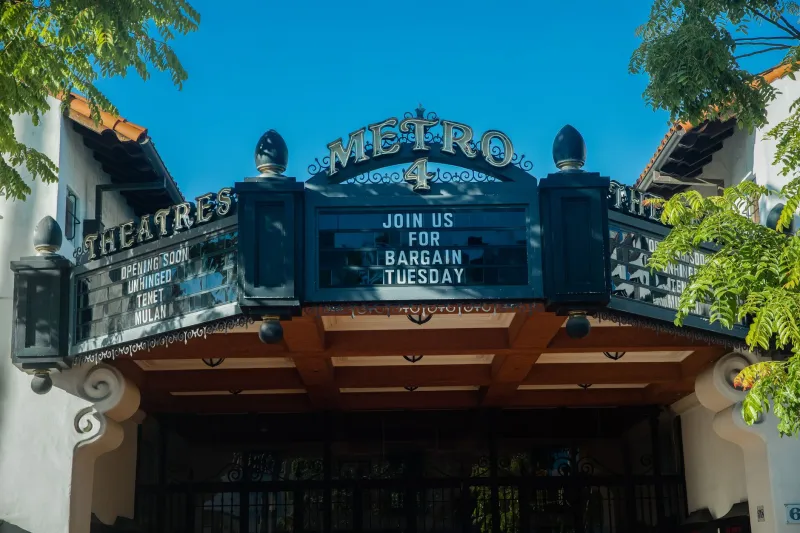
Many Atlanta theaters also maintain discount windows that don't always get advertised loudly. Morning and early afternoon showings at major chains frequently run $7 to $10. Tuesday discount days are still alive at several locations. And military, student, and senior discounts remain available at most venues — you just have to remember to ask.
What's Coming Next
Industry analysts watching the national picture suggest that ticket prices will continue to inch upward over the next few years, though the pace may moderate compared to the sharp increases seen post-pandemic. Premium formats will likely account for a growing share of total revenue, which means the gap between a basic ticket and a fully loaded premium experience will probably widen.
For Atlanta specifically, the competitive landscape matters. The city has enough theater density — from Buckhead to Decatur to the suburbs — that exhibitors can't completely ignore price sensitivity. When one chain raises rates aggressively, there are alternatives within a reasonable drive.
The broader question is whether the moviegoing experience can continue to justify its cost in a world where streaming libraries keep expanding. So far, Atlanta audiences have shown a genuine appetite for the big screen — particularly for event films and premium formats. But theaters will need to keep earning that loyalty, one ticket at a time.
The Bottom Line for Atlanta Moviegoers
If you're feeling sticker shock at the box office, you're responding rationally to real price increases. But there are still ways to manage the cost without giving up on the theatrical experience entirely. Subscription programs, matinee pricing, Tuesday discounts, and the occasional independent theater visit can all help stretch your entertainment budget further.
And if you're going to splurge? Make it count — pick a film that actually benefits from a massive screen and booming sound system. That's still something your living room can't fully replicate, no matter how good your setup is.