Hack the House: Atlanta Moviegoers Are Finding Every Angle on Cheaper Tickets — and Theaters Are Paying Attention
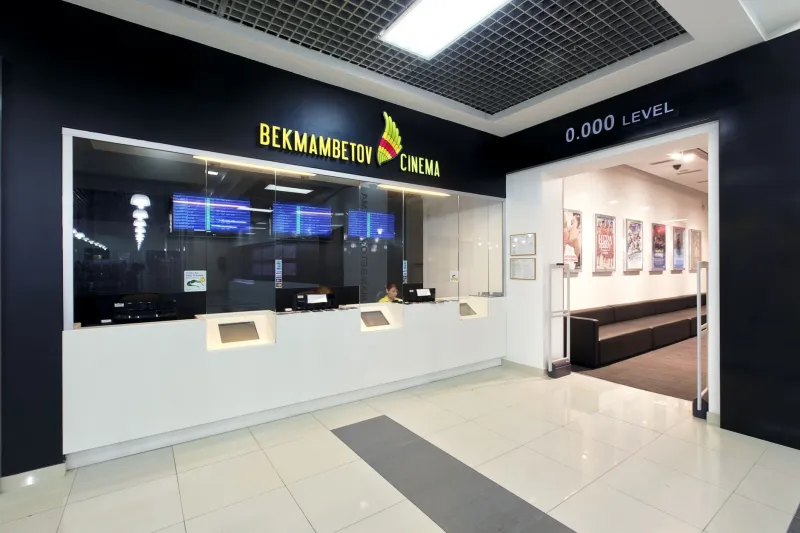
The average Atlanta moviegoer paying full evening price for a premium large format ticket, a drink, and a snack is looking at somewhere north of $35 for a solo outing. For a couple, that's a $70 night at the movies before anyone's even parked. That number is real, and it's reshaping how a significant portion of the city engages with cinema.
But here's the thing: a growing segment of Atlanta's film audience isn't paying anywhere close to that. They've figured out the angles, the stacking strategies, and the lesser-known programs that bring the actual cost of a night out way down. And the theaters have noticed.
The Matinee Math
Let's start with the most obvious lever that most people still underuse: the matinee. Atlanta's major chains have tiered pricing structures that drop ticket costs significantly before a certain hour — typically 4 or 5 p.m. depending on the venue. At some locations, a matinee ticket runs $5 to $7 less than an evening showing of the exact same film in the exact same auditorium.
For people with flexible schedules — remote workers, freelancers, the retired crowd — this is essentially free money. A Saturday afternoon showing isn't a compromise; it's just a smarter booking. The film is identical. The screen is identical. The only thing that changes is the timestamp on your ticket and the amount leaving your bank account.
The catch, of course, is that not everyone's schedule bends toward 2 p.m. showings. For the working-nine-to-five crowd, matinee pricing is mostly a weekend-only play. But even capturing it once or twice a month adds up over a year of regular moviegoing.
Subscription Services: The Promise and the Fine Print
AMC A-List and Regal Unlimited are the two dominant theater subscription programs in Atlanta, and both have accumulated loyal user bases who swear by them — and frustrated ex-subscribers who felt burned.
The value proposition is straightforward: pay a flat monthly fee, see a certain number of films per week, don't think about per-ticket cost anymore. For someone seeing two or more movies a week, the math usually works in their favor. For occasional moviegoers, it often doesn't.
What the subscription evangelists know that casual subscribers sometimes miss: these programs are most valuable when you use them for premium formats. An IMAX or Dolby ticket included in your A-List subscription at no upcharge is a meaningfully different value than using it on a standard screen. The monthly fee stays the same whether you see three standard showings or three IMAX showings. The latter scenario is where the program actually pays for itself.
Atlanta has enough premium format screens — between the AMC locations at Phipps Plaza, Barrett Commons, and elsewhere, plus Regal's footprint — that subscribers willing to seek out the premium auditoriums can extract real value. The key is intentionality. These programs reward the moviegoer who plans, not the one who just shows up.
Loyalty Points and the Long Game
Beyond subscriptions, most major chains have loyalty programs that accumulate points toward free tickets and concessions. AMC Stubs and Regal Crown Club are the two Atlanta moviegoers encounter most, and both have become more sophisticated (and more complicated) in recent years.
The veteran move is to concentrate your spending at one chain rather than splitting it across multiple venues. Points diluted across three programs are worth less than points concentrated in one. Atlanta's geographic spread makes this tricky — the closest theater to your home or office might not be your chain of choice — but for people willing to drive a few extra minutes, chain loyalty has a real dollar value over time.
Concession points are often overlooked. Buying a large popcorn feels like a loss every time, but if you're going to buy it anyway, making sure you're earning points on it rather than paying cash at an unaffiliated kiosk is a simple optimization. Over a year of regular visits, concession points can translate to one or two free tickets — not nothing.
The Indie Theater Equation
Atlanta's independent venues operate on different economics than the chains, and their discount structures reflect that. The Plaza Theatre and Landmark Midtown Art Cinema both offer membership programs that function differently from corporate loyalty schemes — they're more like community support mechanisms that happen to come with ticket benefits.
Plaza memberships, for instance, have historically included discounted tickets, priority access to special events, and the general good feeling of supporting a venue that genuinely couldn't exist without its community. For the Atlanta cinephile who's going to see six to eight films there a year anyway, the membership math usually works. For someone who goes once a year for a cult classic screening, less so.
Landmark's discount programs reward midweek attendance — a pattern that benefits the theater by spreading out foot traffic and benefits the budget-conscious moviegoer who can make a Tuesday evening work. It's a mutually useful arrangement, and more Atlanta venues are moving toward this kind of dynamic pricing as they look for ways to fill auditoriums on slower nights.
What Theaters Are Actually Experimenting With
The most interesting development in Atlanta's ticketing landscape right now isn't any one program — it's the growing willingness to experiment with pricing models that would have seemed radical five years ago.
A few venues have quietly tested pay-what-you-can screenings for specific films, particularly documentaries and community-oriented programming. The results have been uneven. Some screenings fill up with engaged audiences who pay meaningfully. Others attract crowds looking for a free evening out who wouldn't have come otherwise. Distinguishing between those two outcomes in advance is hard.
Dynamic pricing — adjusting ticket costs based on demand, similar to how airlines and ride-share apps work — has been floated by several chains nationally and tried in limited forms in Atlanta markets. Audiences hate it, at least in surveys. Whether they hate it enough to change their behavior is a different question. A $3 premium on a Friday night opening for a blockbuster is probably something most people absorb. A $5 premium might push some toward the matinee. The elasticity is real, and theaters are actively trying to map it.
The Bottom Line
The honest reality is that Atlanta's most cost-conscious moviegoers are already doing most of this instinctively. They book matinees when they can, they subscribe to A-List if they're going regularly, they check Landmark's Tuesday pricing before they commit to a Wednesday night. The system rewards the informed and the flexible.
What's changing is that theaters are increasingly aware of how sophisticated their audiences have become — and they're designing programs that try to capture value from that sophistication rather than fight it. The tension between keeping cinema affordable and keeping the lights on isn't going away. But in Atlanta right now, both sides of that equation are working harder than they used to.