Log Off, Show Up: Why Atlanta's Film Lovers Are Ditching the Algorithm for the Dark
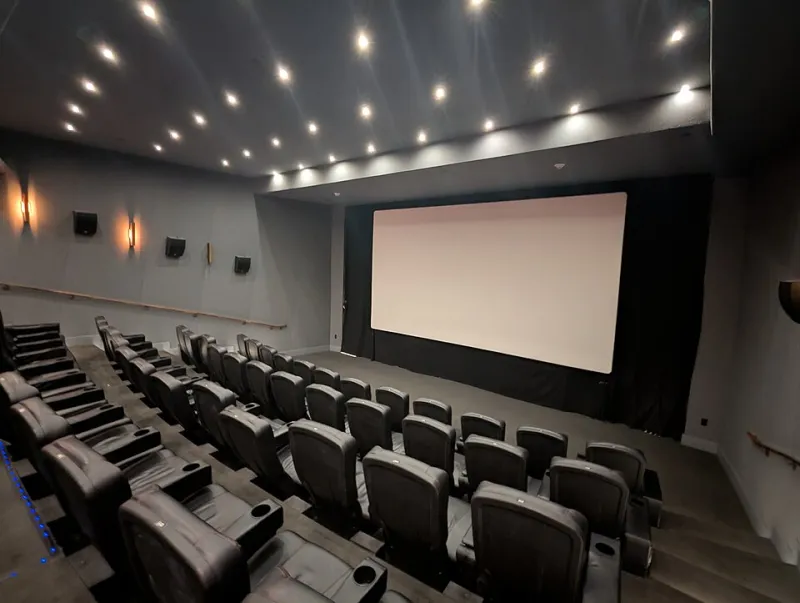
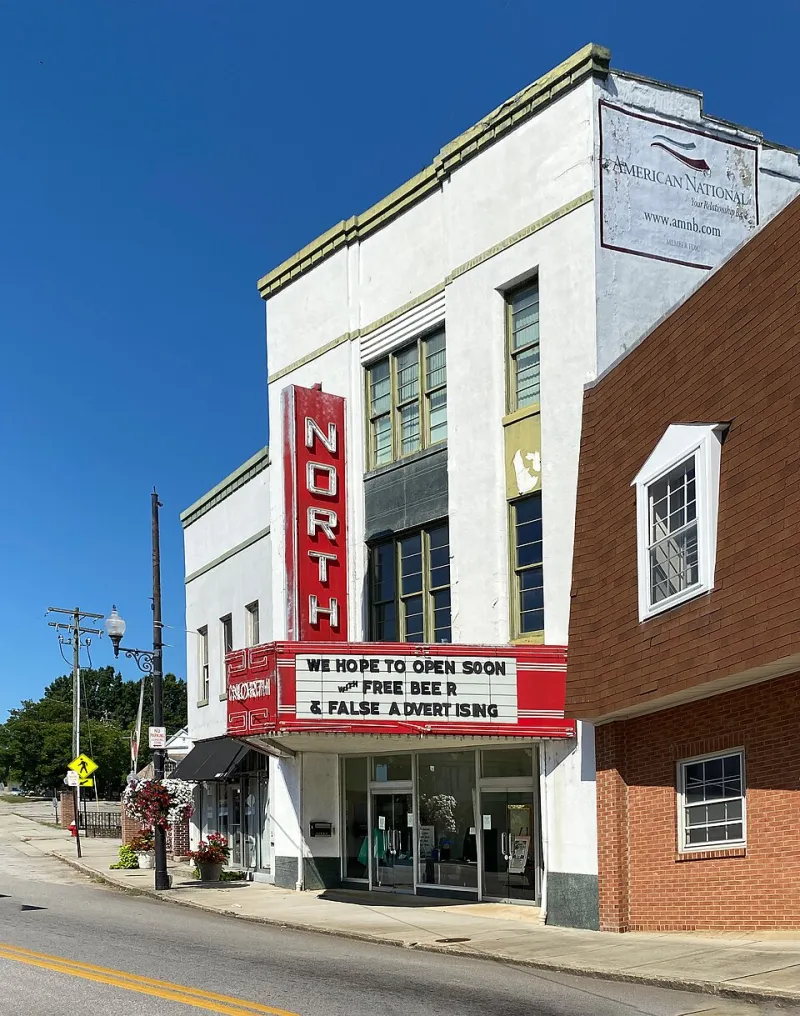
Photo: Sdkb, CC BY-SA 4.0, via Wikimedia Commons
There's a moment that every Atlanta cinephile knows. You've spent forty-five minutes scrolling through Netflix, Hulu, Max, and whatever the newest streamer is calling itself this month, and somehow — despite thousands of titles at your fingertips — you've watched nothing. You close the laptop, vaguely defeated, and wonder why you feel so empty.
Marcus Webb, a 34-year-old graphic designer who lives in Decatur, describes it perfectly. "The algorithm keeps showing me stuff I might like, but it never shows me stuff that surprises me," he says. "The last time I was genuinely surprised by a movie, I was sitting in a theater."
That feeling — the death of cinematic surprise — is increasingly driving Atlanta moviegoers back to actual screens. And the city's theaters are more than ready to welcome them home.
The Paradox of Infinite Choice
Streaming was supposed to be liberation. Instead, a growing number of film fans describe it as a kind of paralysis. Psychologists have a name for it — choice overload — but Atlanta's theater community has a simpler diagnosis: when everything is available all the time, nothing feels special.
"We see it in our attendance patterns," says Diane Hollis, general manager of a Midtown Atlanta cinema that's been running independent and foreign films for years. "People don't just come here because they can't find something on streaming. They come because they want the experience to mean something. They want to commit to a film."
That commitment — buying a ticket, driving to the theater, sitting down in the dark with strangers — turns out to be part of the appeal rather than a barrier to it. The friction is the point.
What the Screen at Home Can't Give You
Ask Atlanta film critics what theatrical viewing offers that streaming can't replicate, and you'll hear a lot of the same words: scale, communal energy, and presence.
"A film like Oppenheimer or even something smaller but visually ambitious — you simply do not see the same movie at home," says Priya Nair, a film critic who covers Atlanta's cinema scene and contributes to several regional publications. "The aspect ratio, the sound design, the darkness — these aren't just technical specs. They're part of the language the director is speaking. Watching on a 55-inch TV with your phone nearby is like reading a poem while someone's talking to you."
But it's not just about technical fidelity. There's something harder to quantify happening in the room. Laughter lands differently when fifty people laugh together. Tension is more unbearable when you can feel the audience holding its breath. Grief hits harder when the person next to you is quietly crying too.
"I saw Everything Everywhere All at Once in a packed house at a Buckhead theater," recalls Webb. "The audience was audibly going through it — laughing, gasping, a few people sniffling. I cried. I would not have cried watching it alone on my couch. I know myself."
Atlanta's Theaters Are Playing to Their Strengths
Smart theater operators in Atlanta have figured out that they're not competing with streaming on convenience — they can't win that fight. Instead, they're competing on experience, and they're leaning in hard.
Programming has become increasingly adventurous. Midnight screenings of cult classics, director Q&As streamed live from film festivals, double features paired thematically, and special-event screenings tied to anniversaries or cultural moments are all pulling people off their couches in ways that a new Netflix drop simply doesn't.
"We ran a Tarkovsky retrospective last spring and sold out three of the four nights," says Hollis. "You're not going to stumble onto Tarkovsky through an algorithm. But if you put up the right poster and get the right community excited, people show up."
That community piece is crucial. Atlanta has a genuinely passionate film culture — fed by its film festival scene, its growing identity as a production hub, and its diverse, arts-engaged population. Theaters that have tapped into that community energy, hosting filmmaker panels, partnering with Atlanta's university film programs, and building loyalty through curation rather than just volume, are seeing the results.
The Anti-Algorithm Audience
There's also a generational dynamic worth noting. Younger Atlanta moviegoers — particularly those in their mid-twenties and early thirties — are increasingly skeptical of algorithm-driven culture in general. The same impulse driving vinyl record sales and independent bookstore revivals is showing up at the box office.
"I want someone with taste to tell me what to watch," says Jasmine Torres, a 27-year-old teacher who visits an East Atlanta theater almost every weekend. "A programmer who's thought about what films belong together, what's worth seeing on a big screen — that's more valuable to me than a recommendation engine that's just reflecting my own history back at me."
This desire for curation — real, human curation — is something Atlanta's independent theaters are particularly well-positioned to provide. And even some of the larger multiplexes are catching on, carving out specialty screens and programming windows for films that reward the theatrical experience.
The Experience Economy, Cinema Edition
Economists and cultural commentators have been talking about the "experience economy" for years — the idea that people increasingly spend money on things they do rather than things they own. Cinema, it turns out, fits that model beautifully, especially when theaters lean into what makes a night out feel distinct from a night in.
The food and drink upgrades happening across Atlanta theaters certainly help (craft cocktails and elevated snacks don't hurt the case for leaving the house). But the deeper draw is something more elemental: the sense that you were somewhere, that you shared something, that the film happened to you in a specific place and time.
"Streaming gives you access," Nair says. "Theaters give you an event. And people are hungry for events."
For Atlanta's cinephile community, logging off and showing up isn't just a preference anymore. It's starting to feel like a statement.